Blog post
Insights
8 Customer Segmentation Examples and How to Activate Them
Your Shopify store has a welcome flow, a promotional calendar, and a growing subscriber list. But a customer who bought yesterday still gets the same introduction as someone who's never ordered, while a loyal buyer receives the same discount as a shopper who's been inactive for months. You're sending regularly, yet repeat sales aren't improving as you'd hoped.
One email blast treats different buying situations as the same problem. New customers need reassurance and product education. Repeat buyers may need replenishment reminders, while inactive customers need a reason to reconsider the brand, not another introduction to it.
Segmentation makes those differences actionable. Instead of creating more campaigns, you define who qualifies for a message, what triggers it, and when that person should stop receiving it. A useful segment changes the customer's experience, not just the name of an audience in Klaviyo.
The commercial opportunity is meaningful: McKinsey reports that personalization commonly produces a 10% to 15% revenue lift, with results varying by industry and execution. That's a reason to test relevant experiences, not a forecast for your next campaign.
These eight customer segmentation examples pair an audience definition with a flow you can build, a trigger you can configure, and a metric worth watching. Start with the customer difference that changes what you should say.
Demographic segmentation groups customers by traits such as age, gender, household status, and income bracket. For fashion brands, these attributes can help select collections, price points, and creative. They're a starting layer, though, not reliable substitutes for product preferences or purchase history.
Say your store carries men's and women's assortments. An optional signup field asking which collections a subscriber wants to see gives you a practical welcome-flow branch. That's more useful than inferring someone's shopping preferences from their name.
An occasion-wear brand could also ask whether subscribers are shopping for weddings or events. Strictly speaking, that answer is a stated interest rather than a demographic trait, but it's often the better activation signal.
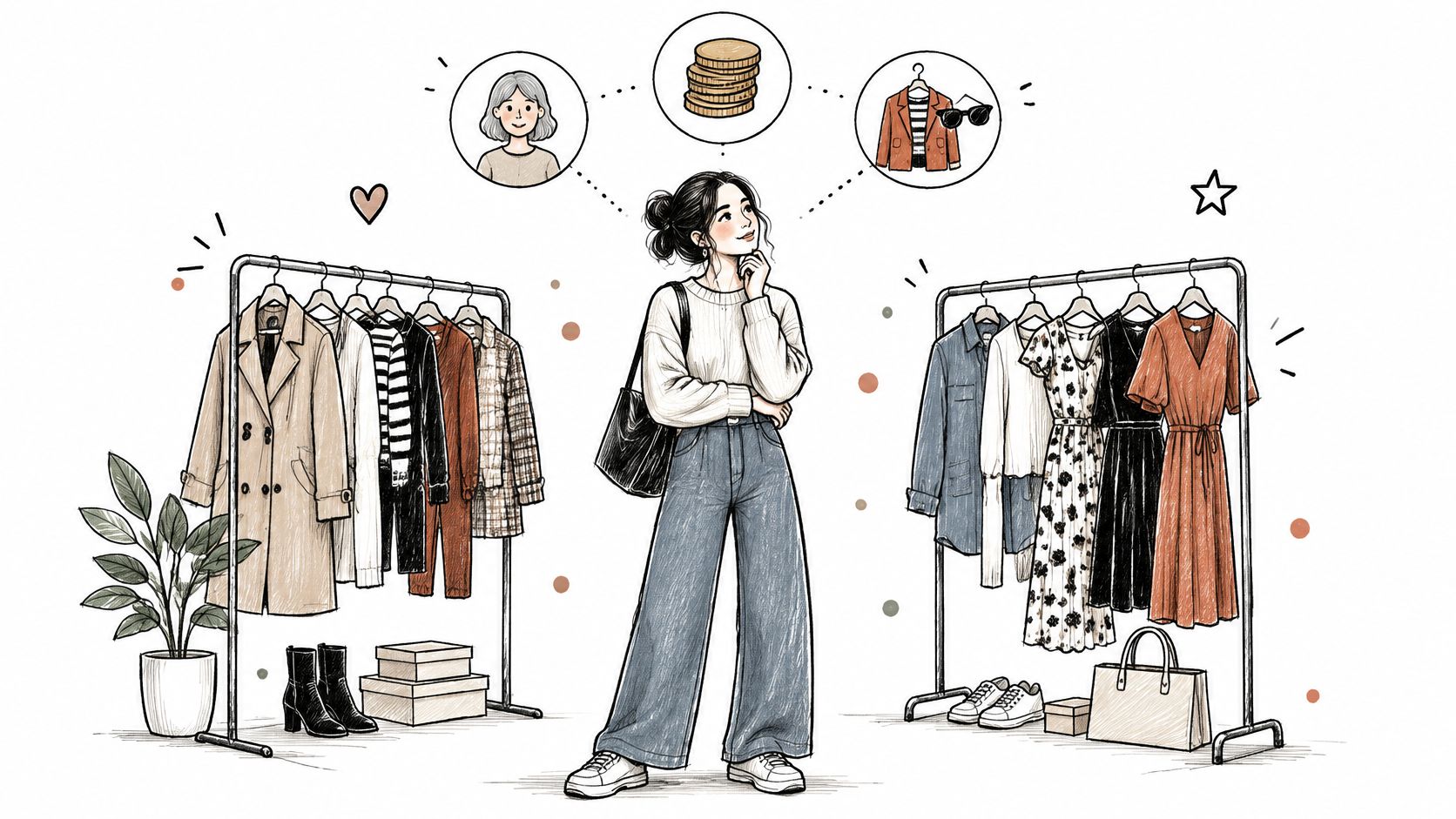
Trigger the flow when someone subscribes and has the relevant preference recorded. In Klaviyo, use a conditional split to choose the collection, then include fit guidance, bestsellers, and a category-specific recommendation.
Measure revenue per recipient, with conversion as a supporting measure. Compare the preference-led branch against a general welcome experience for eligible subscribers.
The common mistake is treating demographics as destiny. Customers in the same age group can have completely different budgets, styles, and reasons for buying. Use demographic fields to choose an opening conversation, then let customer actions guide the relationship.
A winter-jacket promotion can be perfectly timed for one market and irrelevant in another. Geographic segmentation groups customers by country, region, city, climate, or time zone so your message reflects where they shop and what you can deliver.
Start with operational relevance before commissioning regional creative. Local send times, correct currencies, available inventory, and accurate shipping cutoffs can matter more than changing the headline. Don't promote a delivery promise that your fulfillment team can't meet.
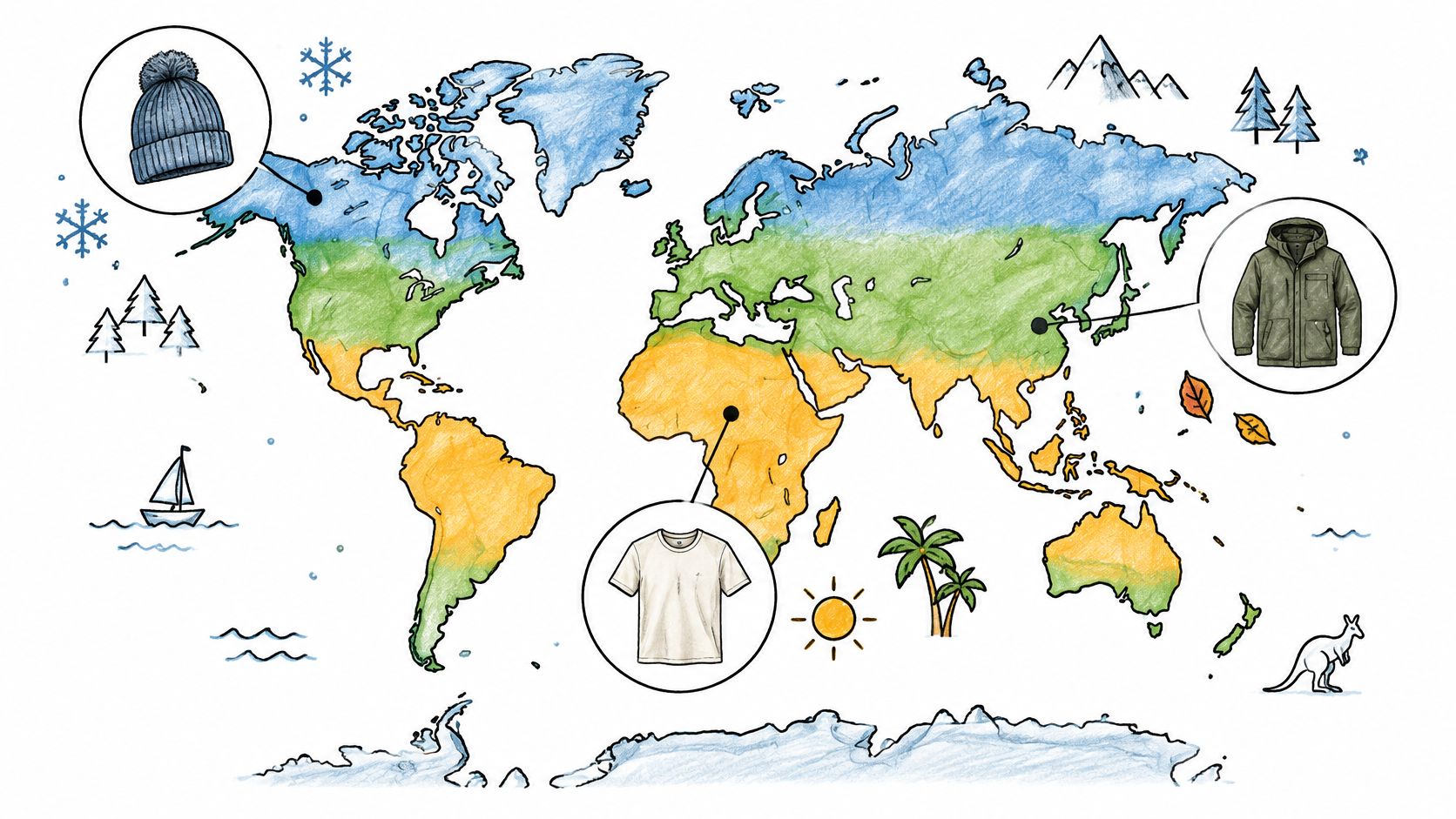
For an outerwear store, create a cold-weather audience using a dependable regional weather feed and a threshold appropriate to the product. Trigger a layering guide when eligible customers enter that audience, then exclude anyone who recently bought the featured jacket.
A supplement brand can use separate seasonal calendars for Northern and Southern Hemisphere markets. Keep the content focused on relevant routines rather than implying that location establishes a customer's health needs.
Localization also includes removing purchase friction. An Australian apparel campaign can connect shoppers with AU fit advice from Robosize where sizing guidance helps them choose confidently.
Practical rule: Build regional variants only when location changes the product, timing, delivery promise, or advice.
Check how location was collected. A shipping address is usually more useful for delivery messaging than a temporary browsing location. Test the regional version before multiplying flows across every market you serve.
Customers can buy the same product for different reasons. One shopper chooses a beverage for its plant-based ingredients, another for convenience, and another because it fits a fitness routine. Psychographic segmentation organizes those motivations into useful messaging paths.
For a wellness store, ask customers what they want help choosing: an evening routine, nutrition options, or products that suit an active lifestyle. Use their stated answers rather than inferring sensitive health conditions from browsing activity.

A customer who selects better rest could enter an evening-routine flow. Start with practical product-use guidance, recommend a relevant collection, and explain what the products can reasonably do without making unsupported health promises.
A food brand could offer separate plant-based and high-protein nurture tracks. Allow overlap, because a customer may want both rather than fit neatly into a single lifestyle category.
Keep the quiz short enough to finish comfortably. Each question should change a recommendation or message; otherwise, remove it.
Shopify's customer-retention guidance highlights permission-based value exchanges, including quizzes that collect information customers knowingly share. Explain how answers will shape recommendations, offer an easy preference update, and retain only information you can justify using.
The pitfall is confusing personalization with intimacy. Don't turn a casual interest in better rest into a permanent health label. Periodic preference check-ins keep the flow relevant without requiring more intrusive tracking.
Behavioral segmentation starts with what customers do. Recency, frequency, and monetary value, commonly called RFM, help distinguish recent first-time buyers, dependable repeat purchasers, valuable customers, and people whose buying activity has slowed.
The useful difference isn't the label. It's the next action you take. A first-time buyer may need product education before a complementary recommendation, while a frequent purchaser may respond better to early access than another introductory discount.
In Spotler's Neleman case study, Champions represented 7% of customers but generated 31% of revenue. After tailoring communications by segment, the retailer sent 18% fewer emails while generating 21% more revenue per email.
Create a segment of customers with a completed first order and no subsequent purchase. Trigger a post-purchase sequence, wait until delivery and reasonable product-use time, then recommend the next useful purchase.
For fashion, the recommendation might pair a purchased dress with an accessory. For consumables, it might explain usage before introducing replenishment.
Track second-purchase conversion and revenue per segment, not just clicks. Review returns and contribution margin before declaring a high-spend audience your most valuable group.
A customer who spends heavily but returns most orders shouldn't automatically receive your richest rewards.
Refresh RFM states as orders arrive. Static exports quickly become inaccurate, especially when a successful flow changes the very behavior used to define its audience.
Lifecycle segmentation determines what kind of relationship message a customer needs now. A new subscriber needs a reason to trust you; a first-time buyer needs a good ownership experience; an active customer needs continued relevance. An at-risk customer needs a different intervention from someone who's been inactive much longer.
Map your customer lifecycle phases before building automation. Define the event that moves someone forward, the inactivity condition that moves them toward lapse, and the flow that takes responsibility at each transition.
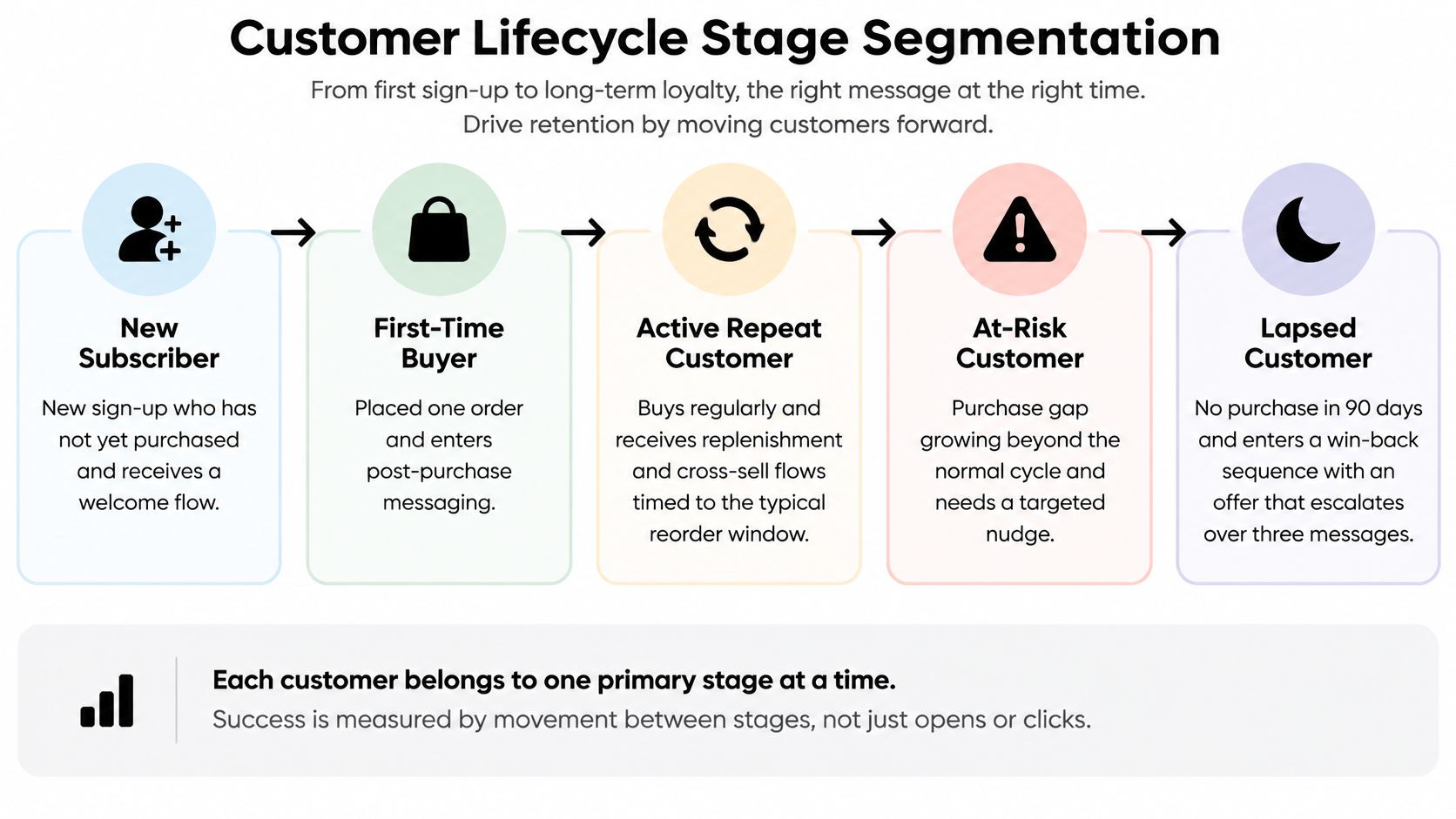
For a food brand, an order should end prospect-focused promotions and begin product education. When the expected consumption window approaches, a replenishment flow can take over. A new order should immediately cancel the pending reminder.
For a health brand, build a win-back path around meaningful inactivity relative to normal reorder behavior. Start with relevance and product help, then consider an incentive only if the customer still hasn't returned.
Twilio's Central Group case study reports a 10× increase in revenue from reactivation campaigns after the retailer used dynamic RFM audiences to target inactive customers within relevant lifecycle journeys.
The operational trap is overlapping eligibility. Someone shouldn't receive a replenishment reminder, a win-back offer, and an unrelated promotion while they're already checking out.
Use shared suppression rules and clear flow priorities. Keep transactional order communications separate from promotional eligibility so reducing marketing pressure doesn't interrupt essential service messages.
Historical spend tells you what a customer has contributed. Predictive CLV estimates future value, while churn-risk segmentation estimates the likelihood that a customer will disengage. Those forecasts can help decide when to intervene and whether an incentive makes commercial sense.
Klaviyo's predictive-segmentation guidance describes audiences based on expected future actions, including likely purchases, predicted order value, and churn risk. Predictions should guide a testable decision, not become permanent labels that nobody reviews.
Before adopting a complex customer lifetime value model, compare days since last order with each customer's established purchasing rhythm. Customers without enough repeat history need a separate, simpler rule.
For fashion, a customer whose normal purchasing pattern has slowed could receive styling advice based on previous purchases. A high-predicted-value customer might receive early access rather than a blanket discount.
For model-selection considerations, retention modeling insights from Stimulead can help frame the technical questions.
Model guardrail: A prediction is useful only if acting on it improves the outcome compared with leaving the customer alone.
Compare forecast groups with their eventual purchase behavior, then compare contacted and holdout customers within those groups. Don't assume a high predicted CLV means someone needs more messages.
This video offers an additional viewing resource.
Keep the first version explainable. If your team can't describe why someone entered the segment, debugging timing, exclusions, and unexpected offers becomes harder.
A coffee customer who repeatedly buys a dark roast has given you a useful recommendation signal. Product affinity segmentation groups shoppers by the products, categories, flavors, and collections they choose or explore. It's particularly practical when customers rarely shop across your entire catalog.
Purchase history indicates demonstrated demand; browsing indicates possible interest. Use both, but don't give an isolated product view the same weight as repeated purchases.
For a coffee brand, build a roast-specific replenishment flow. Trigger it from a fulfilled order, time the reminder around the purchased quantity and observed reorder pattern, and offer a subscription when that option genuinely suits the customer.
For fashion, create a jeans-buyer segment that excludes customers who already bought the complementary tops you plan to recommend. Send a styling-led cross-sell rather than a generic catalog email.
Measure cross-category purchase rate for discovery flows, and repeat-purchase conversion for replenishment flows. Revenue per recipient helps compare creative variants, but the primary measure should reflect the behavior you intended to change.
The pitfall is overfitting to a gift purchase. Someone who bought a coffee sampler for a friend may not want ongoing recommendations based on those flavors.
Offer a preference update and let fresh behavior modify the segment. When purchase signals conflict, use a broader recommendation set rather than pretending you know the customer's tastes precisely. Relevant choice is better than confidently recommending the wrong product.
Channel consent, channel preference, and engagement are different things. A customer can permit SMS without wanting every promotion by text. Another might ignore email campaigns but click replenishment reminders and continue buying regularly.
Build engagement segments using clicks, purchases, and explicit preferences rather than opens alone. Then apply those segments to your ecommerce email marketing so frequency reflects customer behavior instead of an identical calendar for everyone.
A Klaviyo benchmark analysis of U.S.-based customers' emails sent during the final quarter of 2017 found that highly segmented campaigns generated nearly three times the revenue per recipient of unsegmented campaigns. Treat that historical comparison as support for relevance, not a current performance promise.
A fashion brand could reserve promotional SMS for consented subscribers who recently clicked a text or explicitly requested drop alerts. Use email for the fuller collection story and exclude customers who already purchased from follow-up promotions.
For a wellness brand, move customers with prolonged inactivity into a restrained re-engagement flow. Ask whether they still want marketing, offer preference controls, and suppress promotional sends when continued contact isn't justified.
Permission makes contact possible. Relevance makes continued contact worthwhile.
Audit suppression rules regularly, especially where email and SMS automations overlap. Don't send a text because an email wasn't opened.
Keep necessary transactional communications distinct from promotional suppression. Customers who stop receiving campaigns still need appropriate order and delivery information.
| Segmentation Method | Primary Data Source | Setup Effort | Best For | Main Drawback |
|---|---|---|---|---|
| Demographic Segmentation (Age, Gender, Income) | Customer profile fields and sign-up or quiz responses | Low | Initial targeting and tailored welcome flows | Data may be incomplete, self-reported, or weakly predictive |
| Geographic Segmentation (Location, Climate, Local Behavior) | Shipping address, IP-derived location, and regional context | Low to moderate | Localized timing, promotions, and shipping messages | Location alone may not predict purchase value |
| Psychographic and Lifestyle Segmentation (Values, Goals, Interests) | Quiz answers, content engagement, and stated goals | Moderate to high | Goal-based messaging and lifestyle-led brands | Requires ongoing research and refreshed preference data |
| Behavioral Segmentation (Purchase Frequency, Recency, and Monetary Value) | Ecommerce order and purchase history | Moderate | Retention, repeat purchases, and identifying valuable buyers | Depends on clean data and relevant scoring thresholds |
| Lifecycle Stage Segmentation (New, Active, At-Risk, Lapsed) | Sign-up dates, purchase history, and time since last purchase | High | Coordinated customer journeys across lifecycle stages | Complex flow rules can cause conflicting messages |
| Predictive Customer Lifetime Value (CLV) and Churn-Risk Segmentation | Historical purchases, engagement, and predictive models | High | Proactive retention and focused incentive spending | Needs sufficient data and predictions can be difficult to explain |
| Product Affinity and Category Interest Segmentation | Purchases, browsing behavior, and product-category clicks | Moderate | Relevant recommendations, replenishment, and cross-selling | Requires consistent product tagging and current inventory data |
| Engagement and Channel Preference Segmentation (Email vs. SMS) | Email and SMS clicks, responses, purchases, and opt-outs | Moderate | Managing channel choice, message frequency, and list health | Open data can be unreliable, and SMS requires explicit consent |
Start with one behavioral or lifecycle segment that leads to a clear next purchase. For many Shopify stores, that's a first-time buyer who hasn't ordered again. You already know what they bought, and you can build a useful sequence without collecting more personal information.
Write the qualification rule before writing the emails. Specify the purchase event, exclusions, timing, recommended products, and exit condition. Then check the customer experience manually: someone who reorders should leave the flow, someone awaiting delivery shouldn't receive a premature replenishment reminder, and someone with an unresolved issue shouldn't receive an aggressive upsell.
Choose a primary outcome and a guardrail. Second-purchase conversion can be the outcome; contribution margin and unsubscribe behavior can help prevent a superficially successful campaign from becoming an expensive habit.
Shopify defines repeat purchase rate as repeat customers divided by total customers, multiplied by 100. Use a consistent cohort and observation window so you're not comparing recent buyers with customers who've had much longer to reorder.
Build measurement into the flow:
Shopify's ecommerce-retention guidance recommends evaluating contribution margin and customer lifetime value alongside acquisition costs and repeat purchasing. That matters because attributed revenue alone doesn't reveal whether a discount persuaded someone to buy or merely reduced the margin on an order they would've placed anyway.
Don't assume VIPs are the best audience for another offer. A moderately valuable, recently inactive customer may offer more incremental opportunity than a loyal buyer who already intended to purchase. Suppress a treatment when its expected incremental margin doesn't justify the contact or incentive cost.
Once the first flow works, layer in product affinity, predictive risk, and channel preferences. Add complexity only when it changes a decision you can explain and measure.
A Klaviyo agency can design and build these segment-driven flows for Shopify brands. We offer a custom plan through a consultation, connecting audience rules, lifecycle messaging, and revenue measurement rather than treating segmentation as a standalone list-building exercise.
We build custom email and SMS retention systems with behavior-based segmentation, lifecycle flows, and predictive triggers. Visit Class A Media to schedule a consultation and get a plan for turning your customer segments into repeat-purchase communications.
Let's build retention system that drive predictable, scalable revenue - without ad spend, without retainers, without guesswork.


The Ultimate Ecommerce Email Marketing Agency
Get in touch: hello@classamedia.com